
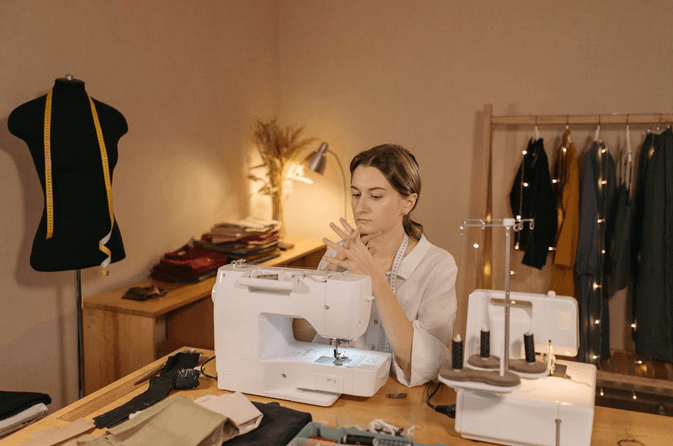
Why Quality Stitching Determines Garment Lifespan
The strength and durability of a garment often depend more on stitching than fabric choice. Even the finest materials can wear out quickly if seams unravel or threads break under stress. Quality stitching ensures that garments withstand daily wear, washing, and movement without losing shape or integrity. It also contributes to comfort and overall aesthetic appeal, as well-made seams lay flat and resist puckering. For clothing that is meant to last, paying attention to how it is stitched is just as important as selecting the right fabric. The construction of a garment directly influences how long it remains functional and visually appealing.
Strength and Durability Through Construction
High-quality stitching reinforces critical areas of a garment, including seams, hems, and stress points like shoulders and pockets. Double or reinforced stitching distributes tension more evenly, reducing the likelihood of tearing during normal wear. Poor stitching, on the other hand, can lead to early fraying or seam separation, even if the fabric is strong. Durable construction protects the garment’s overall shape and fit over time, keeping it comfortable and looking its best through repeated use. Quality stitching is, therefore, a key factor in determining how long a piece can be worn without repair.
Enhancing Aesthetics and Comfort
Beyond durability, quality stitching affects how garments look and feel. Even seams contribute to a polished appearance, while uneven or loose threads create a sloppy impression. Well-executed stitching also ensures that garments sit comfortably on the body without irritation from protruding threads or puckering. This attention to detail enhances user experience and reinforces the perception of value. Garments that combine strong construction with aesthetic appeal are more likely to be cherished and worn consistently, further extending their useful lifespan.
Resistance to Wear and Washing
Clothing undergoes repeated stress during laundering, and stitching quality plays a major role in how garments hold up. Tight, even stitches resist stretching and shrinking, preventing seams from distorting or pulling apart. Over time, low-quality stitching can cause garments to lose their structure, develop holes, or fray at the edges. High-quality threads, properly tensioned and matched to fabric type, ensure longevity through countless washes. By focusing on stitching quality, manufacturers help garments maintain their original form, fit, and comfort for longer, reducing the need for frequent replacements and saving consumers money.
Quality stitching is a critical factor in determining garment lifespan, influencing durability, resistance to wear, and overall comfort and appearance. Strong, precise stitching helps garments endure daily use and repeated washing while maintaining fit and shape. Investing in clothing with superior stitching ensures longer wear, reduces the need for replacements, and elevates the overall wearing experience. For both practical and aesthetic reasons, stitching quality is as important as fabric choice in creating long-lasting, reliable clothing.…